Portfolio / Wood Types

Wood Types

Here is our database of available wood types that we use in our products, with a little about each one's character, plus the folklore and traditions that have grown up around many of them.

Please note that all images are just a representation of what the wood looks like; actual pieces may vary in appearance depending on the age and location of the source tree. Folklore and metaphysical notes reflect traditional and modern beliefs and are shared for interest, not as scientific or medical claims.

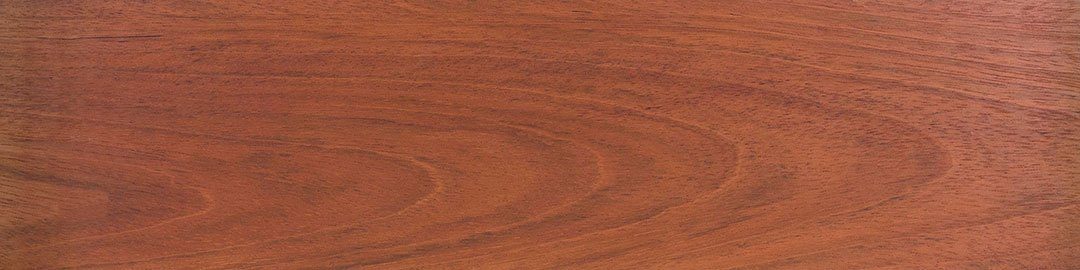
African Blackwood wood sample

African Blackwood

Characteristics: One of the densest woods in the world, from East Africa (Tanzania and Mozambique). Nearly black with faint purple-brown streaks, extremely fine and oily, and it polishes to a glassy, stone-like finish. Very hard to work but holds crisp detail.

Folklore & tradition: Known locally as mpingo, it is the national tree of Tanzania and the traditional wood of Makonde carvers. It is prized for clarinets, oboes and Highland bagpipes. In modern wandmaking lore, its deep black is associated with protection, grounding and inner strength.
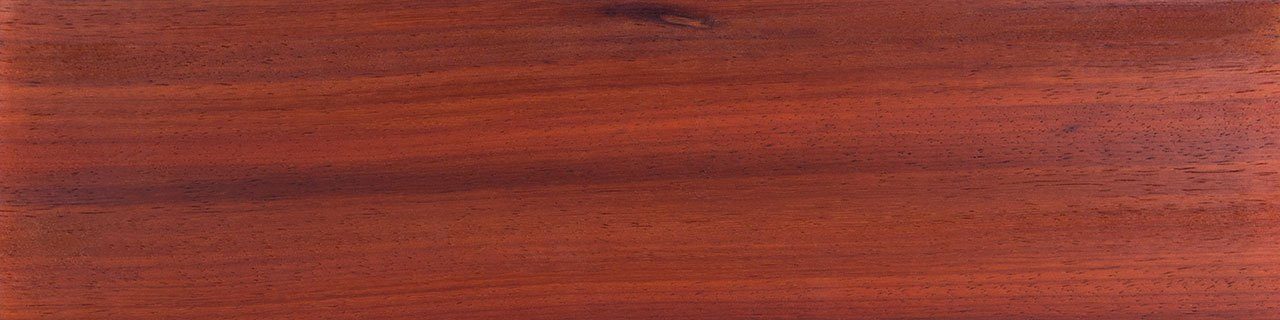
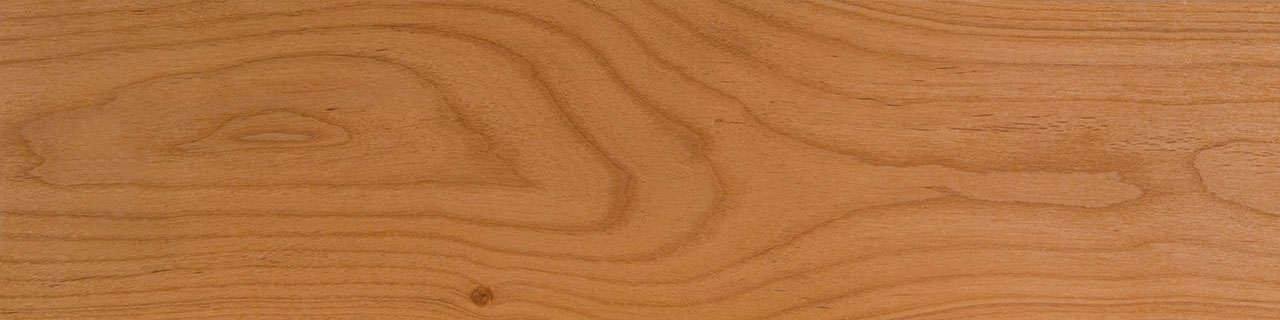
African Padauk wood sample

African Padauk

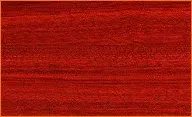
Characteristics: A medium-hard West African wood with a striking orange-red color that slowly mellows to a deep reddish-brown with light exposure. Straight to interlocked grain, coarse texture, and very stable once dry.

Folklore & tradition: Padauk has been used as a source of red dye in Central and West Africa. Its fiery color gives it associations with vitality, energy, passion and courage in modern wand lore.

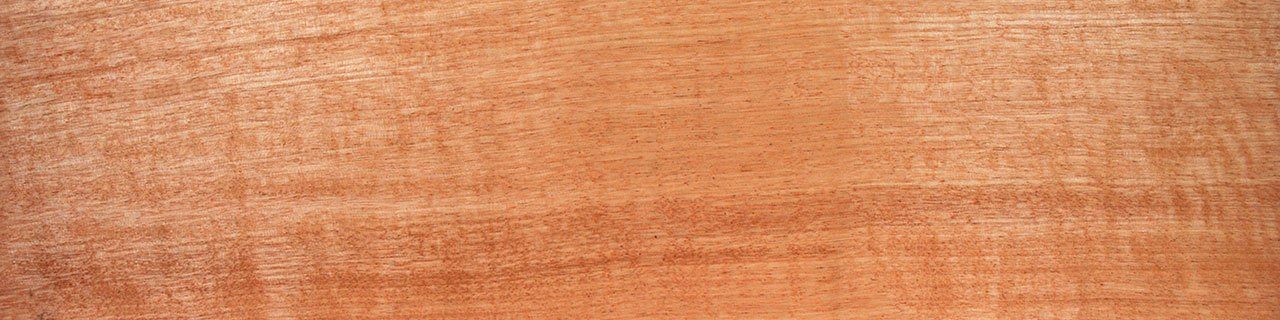
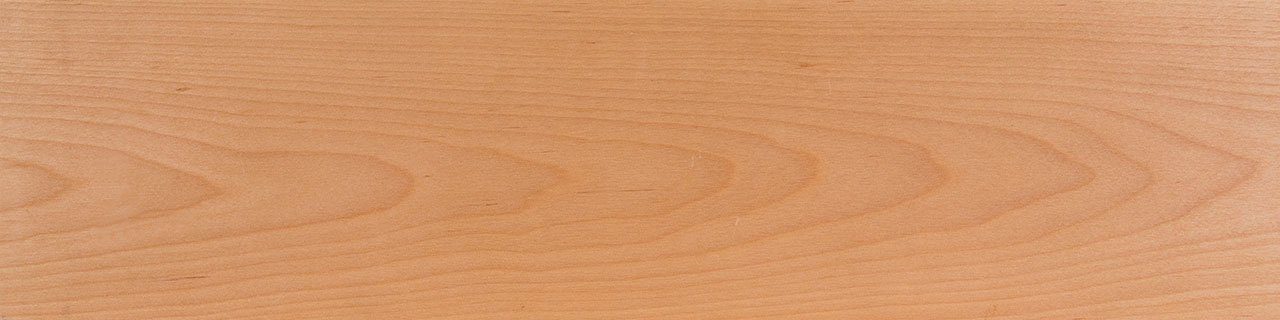
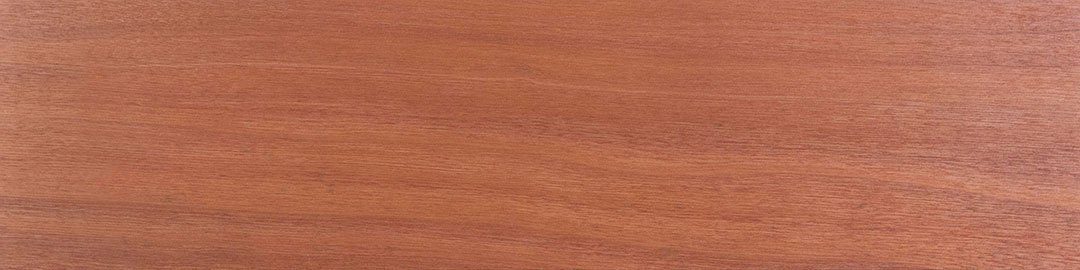
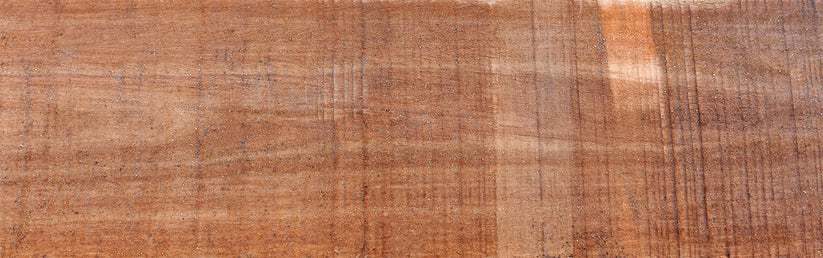
Alder wood sample

Alder

Characteristics: A light, soft-to-medium hardwood with a pale tan to light reddish color and a fine, even grain. Easy to carve, turn and stain, it is a popular choice for furniture and guitar bodies.

Folklore & tradition: In Celtic tradition, alder is Fearn, a letter of the Ogham tree alphabet linked to the giant-king Bran. The pale wood turns orange-red when cut, as if it bleeds, so it was associated with protection, courage and the boundary between land and water. Alder was also used for whistles and shields.

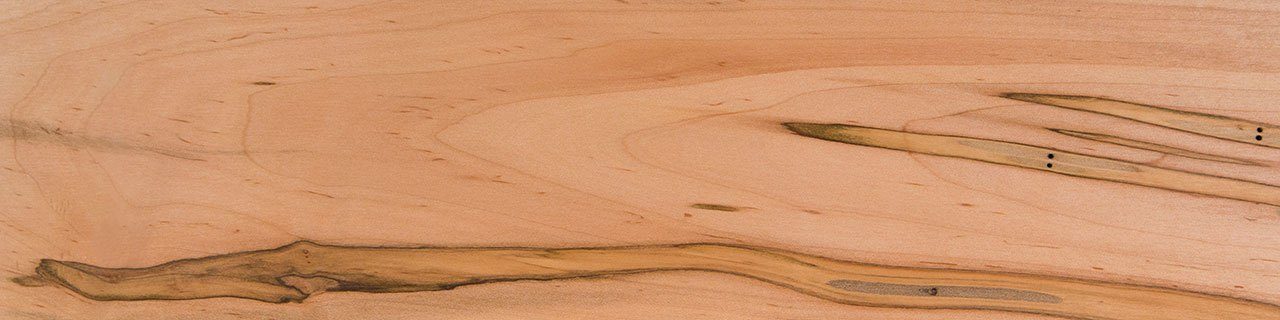
Ambrosia Maple wood sample

Ambrosia Maple

Characteristics: Maple marked by the ambrosia beetle, whose tunnels carry a fungus that leaves gray, blue and brown streaks through the creamy wood. Every piece is uniquely patterned, and it works as easily as soft maple.

Folklore & tradition: Maple is traditionally linked to balance, love and abundance. The beetle's "artwork" makes ambrosia maple a favorite for one-of-a-kind pieces, a reminder that beauty can come from unexpected marks.

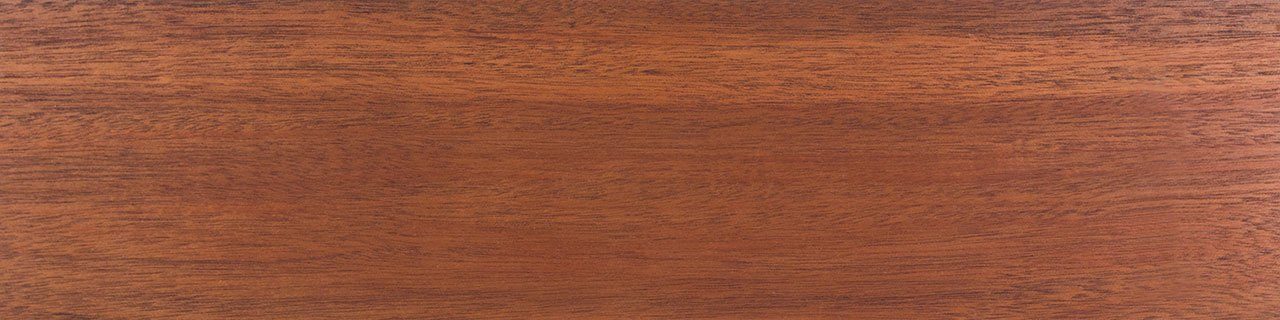
Andiroba wood sample

Andiroba

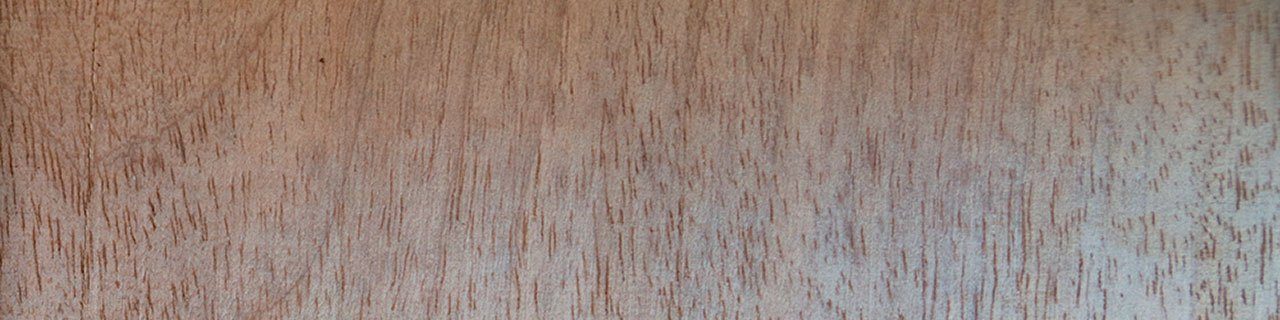
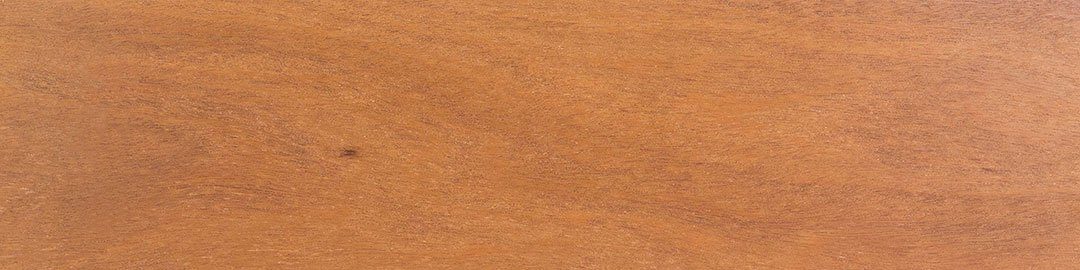
Characteristics: A mahogany relative from the Amazon with a reddish-brown color, straight to slightly interlocked grain, and a medium texture. Works and finishes much like mahogany; sometimes called "crabwood."

Folklore & tradition: Amazonian peoples have long pressed andiroba seeds for their oil, a traditional insect repellent and skin remedy. That gives the tree a reputation for healing and protection.

Angelim Vermelho wood sample

Angelim Vermelho

Characteristics: A heavy, very hard Brazilian hardwood with a reddish-brown color and a coarse, interlocked grain. Extremely durable and rot resistant, it is often used for heavy construction and decking.

Folklore & tradition: Comes from Dinizia excelsa, which includes the tallest tree ever measured in the Amazon (about 88 m, found in 2019). Its sheer size and endurance make it a symbol of strength and longevity.

Anigre wood sample

Anigre

Characteristics: A pale cream to light pinkish-brown African hardwood, often with a shimmering curly or figured grain. Medium density, fine texture, and a smooth satin finish. Prized as a veneer for fine cabinetry.

Folklore & tradition: There is little traditional folklore for anigre. Its soft, luminous shimmer suits pieces meant to feel calm, light and gentle.

Aromatic Cedar wood sample

Aromatic Cedar

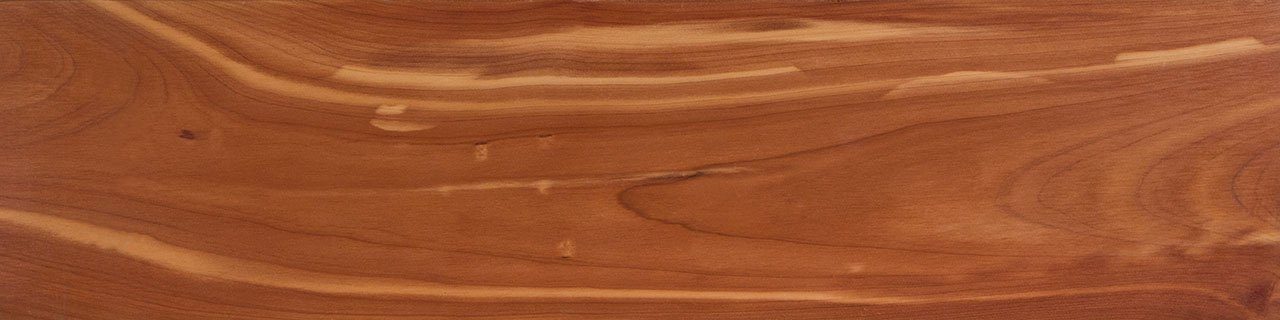
Characteristics: Eastern red cedar (actually a juniper). Reddish-purple heartwood with cream streaks and knots, soft and light, with an unmistakable spicy-sweet scent that naturally repels moths. Classic for cedar chests and closet linings.

Folklore & tradition: Cedar is one of the most widely revered woods. Many Native American nations burn cedar to purify and protect, and some regard the red cedar as a tree of life. It is traditionally associated with cleansing, protection, healing and prayer.

Ash wood sample

Ash

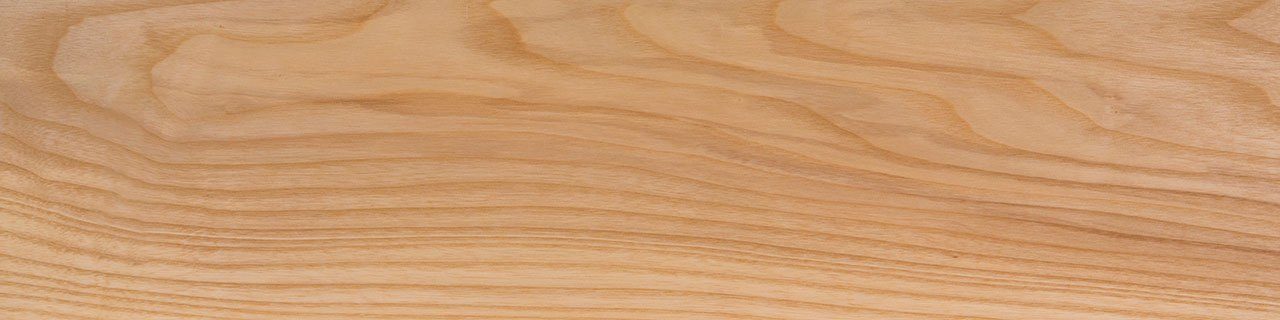
Characteristics: A strong, springy, light-colored hardwood with bold, straight grain. Its shock resistance makes it the traditional wood for tool handles, oars, bows and baseball bats.

Folklore & tradition: In Norse mythology, Yggdrasil, the World Tree linking the nine worlds, is an ash, and the first man, Ask, was made from it. Ash is Nion in the Ogham alphabet and is linked with protection, healing, strength and connection between worlds, which makes it a classic wand and staff wood.

Australian Cypress wood sample

Australian Cypress

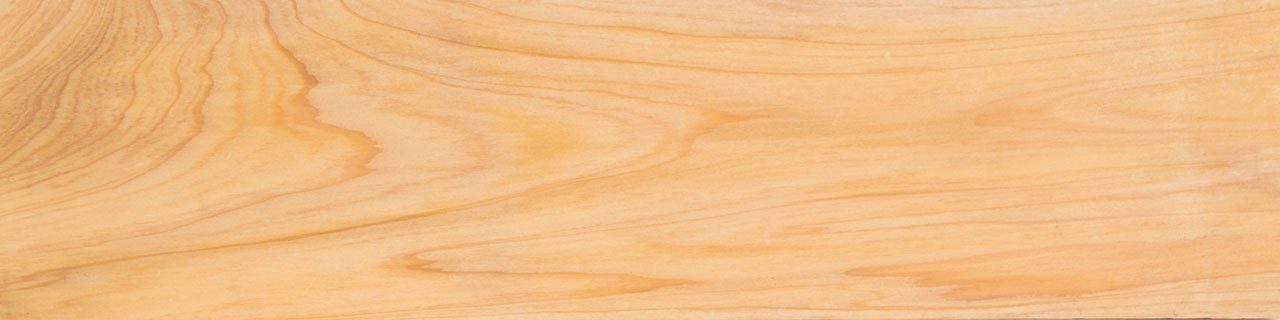
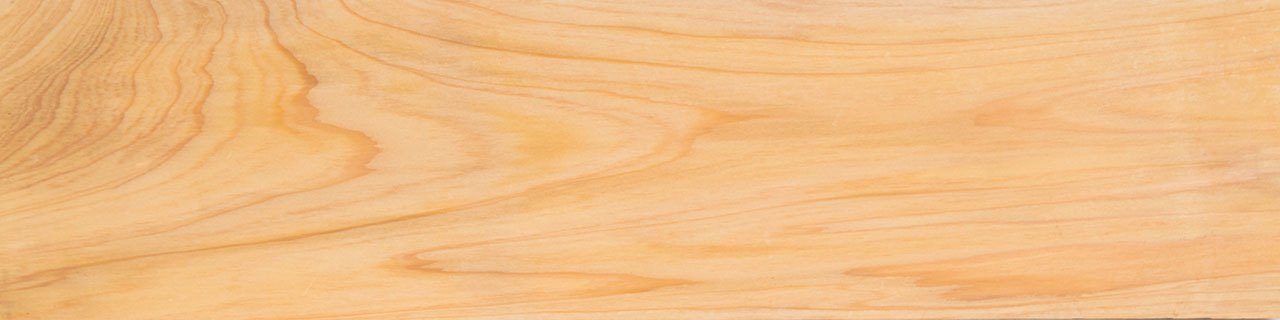
Characteristics: Golden-yellow to honey-brown wood with dark knots, from Australia's Callitris cypress pine. Medium-hard for a softwood, aromatic, and naturally resistant to termites and decay.

Folklore & tradition: Aboriginal Australians used Callitris resin as an adhesive and the wood for tools. Cypress trees in general are tied to endurance, eternity and the cycle of life and death.

Basswood wood sample

Basswood

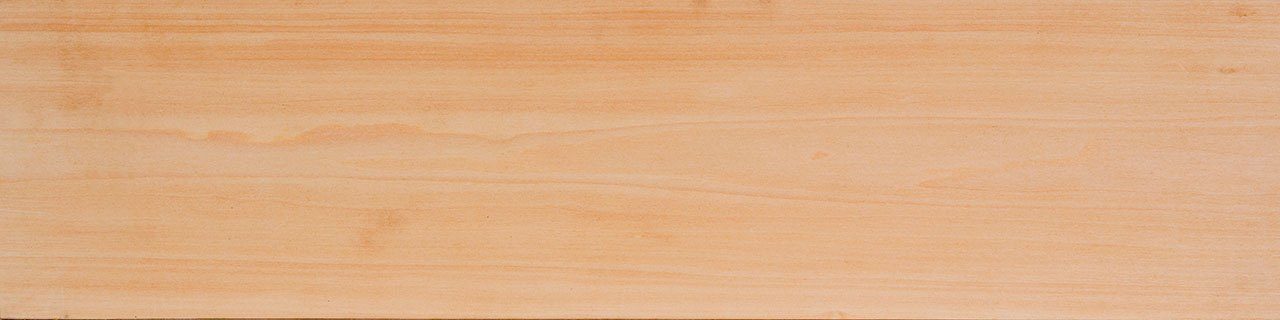
Characteristics: A very soft, lightweight hardwood with a creamy white color and an extremely fine, even grain. A woodcarver's favorite because it cuts cleanly in every direction and holds fine detail.

Folklore & tradition: Basswood is the American linden (lime tree). In Germanic and Slavic tradition the linden was sacred, a tree of love, peace and justice under which villages met and judged disputes. It was also linked with the goddess Freya.

Beech wood sample

Beech

Characteristics: A hard, heavy, pale tan to pinkish wood with a fine, even texture and distinctive small flecks. It steam-bends beautifully and is used for chairs, tool bodies and kitchen utensils.

Folklore & tradition: The English word "book" is believed to share its root with "beech," because early Germanic runes were carved on beech tablets. Beech is traditionally associated with wisdom, learning, writing and ancient knowledge.

Birch wood sample

Birch

Characteristics: A hard, pale cream to light brown wood with a fine, even texture, sometimes with a subtle curly figure. Strong and smooth, it is widely used for furniture, plywood and turned items.

Folklore & tradition: Birch is Beith, the first letter of the Celtic Ogham alphabet, so it is the tree of new beginnings, renewal and purification. Birch twigs were used for ritual brooms to sweep away the old, and its bark made canoes, scrolls and containers.

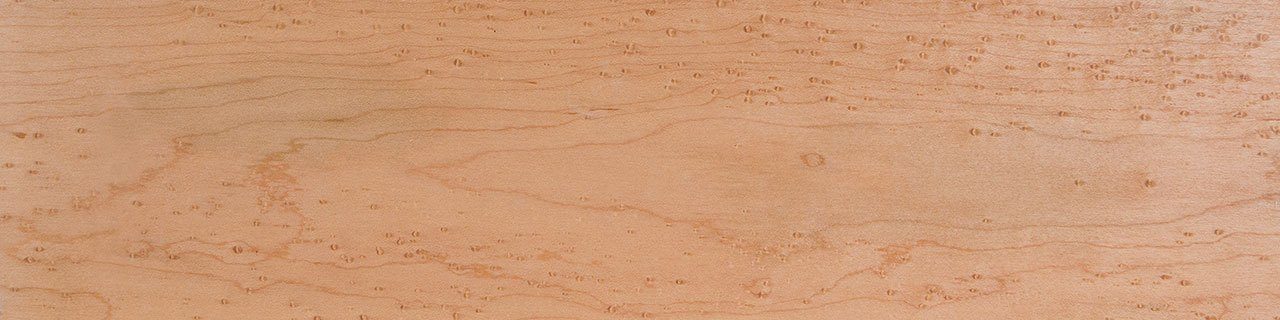
Birdseye Maple wood sample

Birdseye Maple

Characteristics: Hard maple with a rare figure of tiny swirling "eyes" scattered through the creamy wood. Nobody knows exactly what causes it, and it appears in only a small fraction of trees. Hard, fine-grained, and luminous when finished.

Folklore & tradition: Its many "eyes" give it modern associations with insight, perception and watchfulness. As maple, it also carries maple's traditional links to balance, love and abundance.

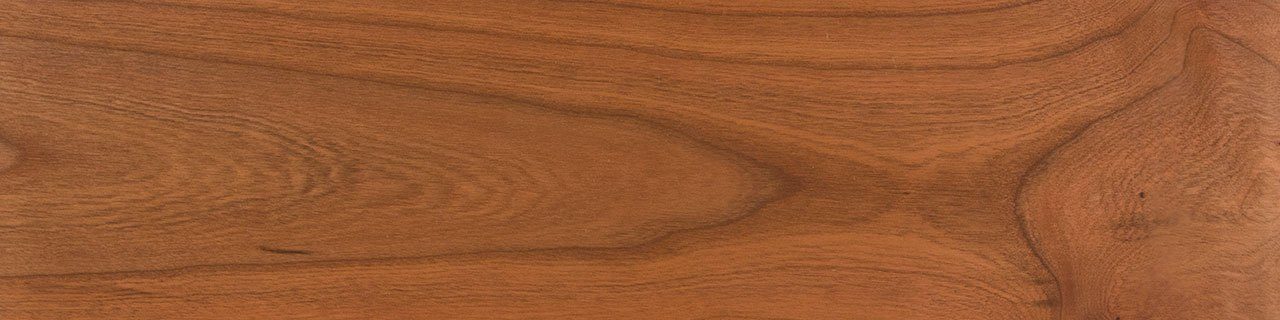
Black Cherry wood sample

Black Cherry

Characteristics: America's classic cabinet wood: light pinkish-brown when fresh, deepening to a rich reddish-brown with age and light. Fine, straight grain, smooth to work, and it polishes beautifully.

Folklore & tradition: Cherry trees symbolize renewal and the fleeting beauty of life, most famously in Japan's cherry blossom tradition. In folk magic, cherry wood is associated with love, attraction and new beginnings.

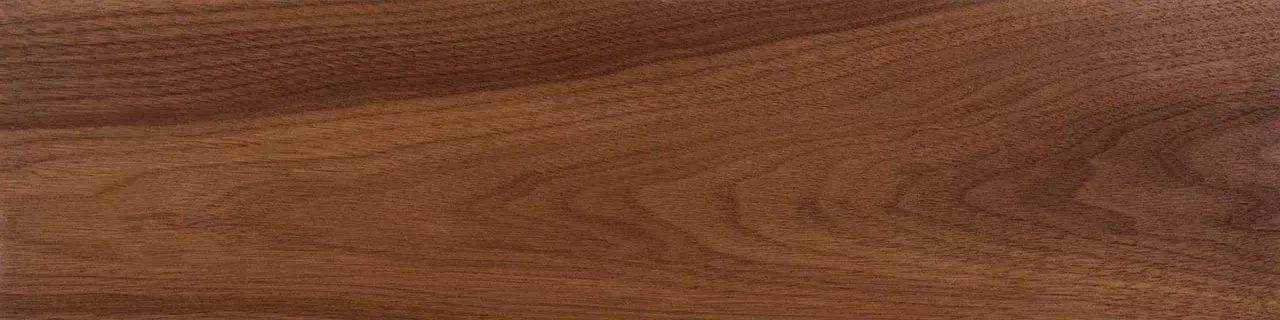
Black Walnut wood sample

Black Walnut

Characteristics: North America's premier dark hardwood: rich chocolate-brown heartwood with purple or gray tones, straight grain, and a medium texture. Strong yet easy to carve, with a soft natural luster.

Folklore & tradition: The Romans dedicated walnut to Jupiter. In Italian folklore, witches were said to gather beneath the great walnut tree of Benevento. Walnut is traditionally associated with wisdom, intellect, wishes and transformation.

Bloodwood wood sample

Bloodwood

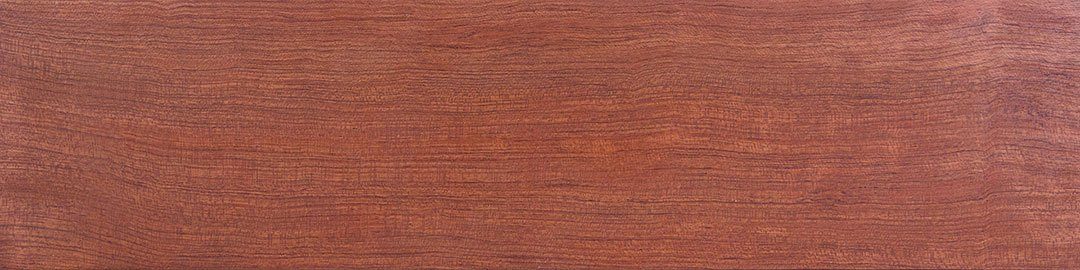
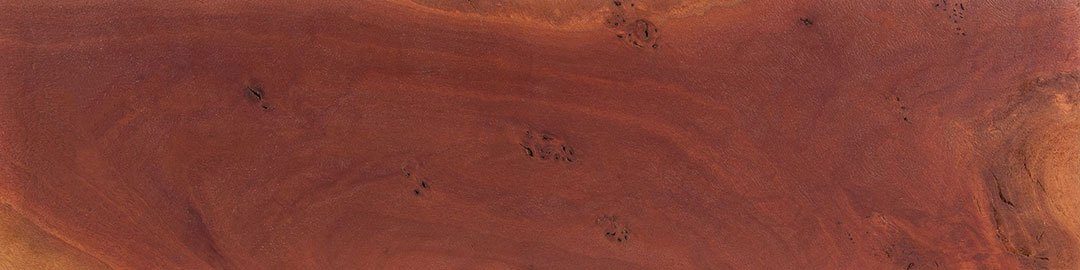
Characteristics: A very hard, dense South American wood (also called satiné) with a vivid, deep blood-red color and fine texture. It finishes to a high shine and is a favorite accent wood.

Folklore & tradition: There is little traditional folklore for bloodwood. Its intense red has made it popular in modern wandmaking, where it is linked to life force, vitality, passion and protection.

Bocote wood sample

Bocote

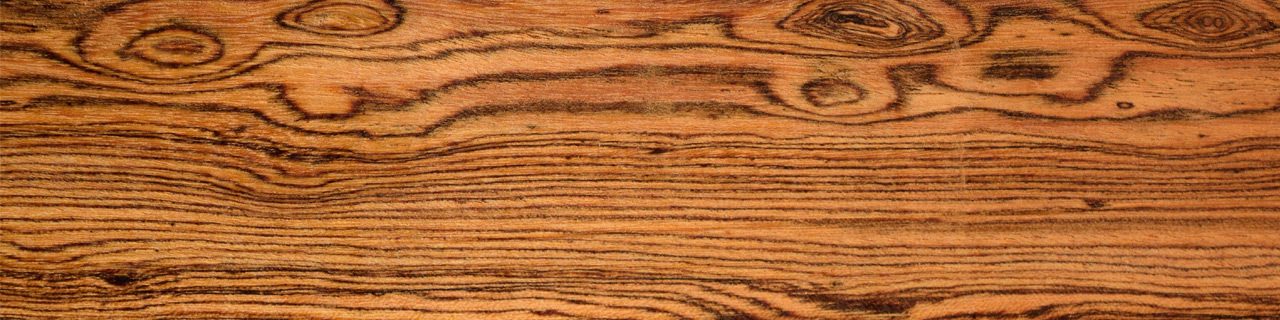
Characteristics: A Mexican and Central American hardwood with a golden-tan background and dramatic dark brown to black stripes, swirls and "eyes." Medium-hard, slightly oily, with a spicy scent while worked.

Folklore & tradition: Bocote is a Cordia, related to ziricote. It has little traditional folklore, but its bold, flowing figure makes it a striking choice for pieces meant to stand out.

Bolivian Walnut wood sample

Bolivian Walnut

Characteristics: A true South American walnut with a deep chocolate-brown color, sometimes with purple or dark streaks, and a straight, even grain. Softer and lighter than black walnut, and very easy to work.

Folklore & tradition: As a member of the walnut family, it shares walnut's traditional associations with wisdom, intellect, wishes and transformation.

Bubinga wood sample

Bubinga

Characteristics: A heavy West African hardwood with a pinkish-red to reddish-brown color and darker purple veining, often with dramatic figure. Large trees produce huge slabs, so it is prized for tabletops and fine furniture.

Folklore & tradition: Sometimes called "African rosewood," bubinga is valued for its resonance in drums and instruments. Its warm, rich color is associated with comfort, wealth and grounding.

Burmese Teak wood sample

Burmese Teak

Characteristics: Old-growth teak from Myanmar, considered the finest teak: golden-brown, dense and straight-grained, and naturally rich in oils that make it extremely resistant to water, rot and insects.

Folklore & tradition: Teak was historically a royal resource in Burma and was used for temples, palaces and the decks of great sailing ships. It is associated with strength, endurance, wealth and protection.

Butternut wood sample

Butternut

Characteristics: Known as "white walnut," a soft, lightweight hardwood with a light tan color and the same handsome grain as black walnut. Very easy to carve, a favorite of woodcarvers and churchmakers.

Folklore & tradition: Butternut bark and nut husks made a tan-brown dye, famously used for homespun uniforms during the U.S. Civil War, whose soldiers were nicknamed "butternuts." It shares walnut's associations with wisdom and inspiration.

Canarywood wood sample

Canarywood

Characteristics: A South American hardwood with a bright yellow-orange background streaked with red, pink, brown and purple. Medium-hard, works well, and darkens to a deeper amber over time.

Folklore & tradition: Canarywood has little traditional folklore. Its sunny, colorful figure is associated with joy, optimism and creativity.

Cocobolo wood sample

Cocobolo

Characteristics: A Central American rosewood with a spectacular mix of orange, red and dark brown streaks. Very dense and naturally oily, it takes a mirror polish without finish. It is a known skin sensitizer, so it's best worked with care.

Folklore & tradition: A prized wood for knife handles, gun grips and fine instruments. As a true rosewood (Dalbergia), it carries rosewood's modern associations with love, beauty and warmth.

Cumaru wood sample

Cumaru

Characteristics: Sometimes called "Brazilian teak," a very hard, heavy wood with a tan to reddish-brown color, interlocked grain and a waxy feel. Extremely strong and durable.

Folklore & tradition: Cumaru is the tonka bean tree. Its fragrant seeds are the famous "wishing beans" of folk magic, carried for luck, money and granting wishes. That makes cumaru a natural choice for luck and manifestation pieces.

Cypress wood sample

Cypress

Characteristics: Bald cypress from the southern U.S. swamps: light yellowish-tan to reddish-brown, soft, and straight-grained, with natural oils that resist rot and earned it the nickname "the wood eternal." Long-sunken "sinker cypress" is especially prized.

Folklore & tradition: Cypress trees are ancient symbols of mourning and eternal life. In Greek and Roman tradition they were planted at tombs and linked to the underworld. They are associated with longevity, protection, comfort in grief and passage between life and death.

Eucalyptus wood sample

Eucalyptus

Characteristics: Wood from fast-growing eucalyptus species, typically pinkish to reddish-brown with an interlocked grain and medium texture. Strong and fairly hard, it is widely grown on sustainable plantations.

Folklore & tradition: Eucalyptus leaves are famous for their healing, cleansing aromatic oil, and Aboriginal Australians used the trees for medicine, tools and didgeridoos. It is traditionally associated with healing, purification and protection.

Gaboon Ebony wood sample

Gaboon Ebony

Characteristics: The classic jet-black ebony from West Africa: extremely dense, hard and fine-textured, with a natural metallic luster when polished. Used for piano keys, fingerboards and fine inlay.

Folklore & tradition: Ebony was treasured in ancient Egypt and placed in royal tombs, including Tutankhamun's. It has long been a symbol of power and luxury. In folk and modern magic it is associated with protection, power, grounding and banishing negativity.

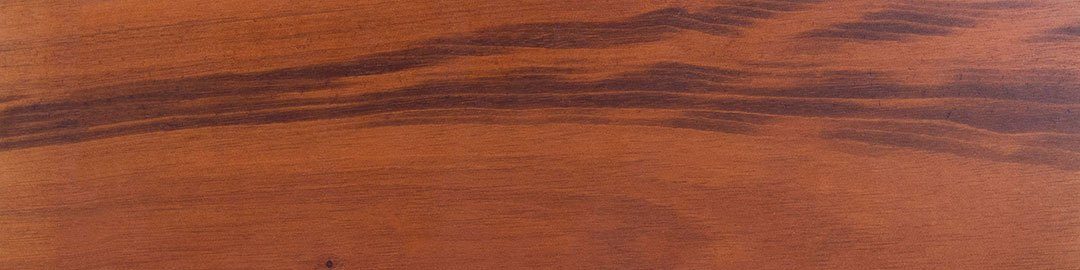
Goncalo Alves (Tigerwood) wood sample

Goncalo Alves (Tigerwood)

Characteristics: A hard, heavy South American wood with a golden to reddish-brown background and bold, dark, irregular stripes, hence "tigerwood." Takes a beautiful natural polish.

Folklore & tradition: Goncalo alves has little traditional folklore. Its tiger-like stripes give it modern associations with courage, boldness and personal power.

Greenheart wood sample

Greenheart

Characteristics: An extremely heavy, strong wood from Guyana with an olive-green to brown color and fine texture. One of the most durable woods known in water, used for docks, lock gates and marine pilings.

Folklore & tradition: Greenheart sheathed the hull of the polar ship Fram so it could survive Arctic ice, and it was once the favorite wood for fishing rods. It is associated with endurance, resilience and protection in harsh conditions.

Hard Maple wood sample

Hard Maple

Characteristics: Sugar maple: a hard, dense, creamy white wood with a fine, even grain. Extremely durable and wear resistant, it is used for bowling alleys, basketball courts, butcher blocks and baseball bats.

Folklore & tradition: The sugar maple gives us maple syrup and is the national symbol of Canada. Maple is traditionally associated with balance, love, longevity, abundance and sweetness of life.

Hickory wood sample

Hickory

Characteristics: One of the hardest, strongest and toughest North American woods: light tan to reddish-brown with bold contrast. Exceptional shock resistance makes it the wood of choice for axe handles, drumsticks and wagon wheels.

Folklore & tradition: Native Americans used hickory for bows and tools and made a nourishing milk from its nuts. Andrew Jackson's nickname "Old Hickory" honored his toughness. Hickory is traditionally associated with strength, endurance and steadfastness.

Honduran Rosewood wood sample

Honduran Rosewood

Characteristics: A dense, heavy Central American rosewood with pinkish to purplish-brown color and dark streaks. Exceptionally resonant, it is the premier wood for marimba and xylophone bars. It is now protected and harvested under strict regulation.

Folklore & tradition: Rosewoods are named for the sweet, rose-like scent of the freshly cut wood. In modern lore, rosewood is associated with love, peace, healing and beauty.

Imbuia wood sample

Imbuia

Characteristics: Also called "Brazilian walnut" (though not a true walnut): a medium-hard wood ranging from olive to chocolate brown, often with lovely figure and a spicy fragrance when worked.

Folklore & tradition: Imbuia is a laurel-family tree that once formed vast forests in southern Brazil and is now protected. Its warm scent and deep color are associated with grounding, comfort and calm.

Indian Rosewood wood sample

Indian Rosewood

Characteristics: A dense, oily rosewood from India with a deep purple-brown to chocolate color and dark streaks. A classic tonewood for guitar backs, sides and fingerboards.

Folklore & tradition: Rosewoods are prized for their sweet scent and rich tone. In modern lore, rosewood is associated with love, harmony, healing and creativity, and is fitting for musical and artistic pieces.

Ipe wood sample

Ipe

Characteristics: One of the hardest, heaviest woods available: dark olive to reddish-brown, very dense, and so naturally resistant to rot, insects and fire that it is used for boardwalks and decks that last decades. Coney Island's boardwalk was ipe.

Folklore & tradition: The inner bark of these trees, known as pau d'arco or lapacho, is a traditional South American folk remedy. Ipe is associated with strength, protection, endurance and healing.

Jatoba (Brazilian Cherry) wood sample

Jatoba (Brazilian Cherry)

Characteristics: A very hard, heavy South American wood with a salmon-red to orange-brown color that deepens with age. Popular for flooring because of its toughness.

Folklore & tradition: The jatoba tree produces a resin burned as copal incense by indigenous peoples, and fossilized resin from its ancient ancestors is the source of Dominican amber. It is associated with purification, energy and timeless strength.

Kingwood wood sample

Kingwood

Characteristics: A rare, very dense Brazilian rosewood with a rich violet-brown to black color and fine dark streaks. It finishes to a brilliant natural luster and is mostly used for small, precious items.

Folklore & tradition: Kingwood earned its name as a favorite of the French royal cabinetmakers under Louis XIV and Louis XV. It is associated with royalty, nobility, authority and luxury.

Lacewood wood sample

Lacewood

Characteristics: Usually Brazilian lacewood: a medium-density wood with a pinkish-tan to reddish-brown color and a distinctive lace-like or snakeskin figure from its large rays. It looks completely different depending on how it is cut.

Folklore & tradition: Lacewood has little traditional folklore. Its scale-like pattern has earned modern associations with transformation, mystery and dragons, which makes it a fun wand wood.

Macassar Ebony wood sample

Macassar Ebony

Characteristics: A striped ebony from Sulawesi, Indonesia, with dark brown to black stripes alternating with lighter tan or reddish-brown bands. Extremely dense, fine and lustrous. A signature wood of Art Deco furniture.

Folklore & tradition: Like all ebonies, Macassar ebony has been a symbol of luxury and power for centuries. Its light-and-dark stripes give it modern associations with balance between opposites, protection and grounding.

Makore wood sample

Makore

Characteristics: An African hardwood with a pinkish-red to reddish-brown color, fine texture, and often a beautiful shimmering (chatoyant) figure. It has natural silica that dulls tools, but finishes superbly.

Folklore & tradition: Makore seeds are pressed for an edible oil in West Africa. Its warm color and shimmer are associated with warmth, comfort and hidden beauty.

Massaranduba (Brazilian Redwood) wood sample

Massaranduba (Brazilian Redwood)

Characteristics: A very hard, heavy South American wood with a deep reddish-brown color and fine texture. Extremely strong and decay resistant, often used for decking and heavy construction.

Folklore & tradition: The tree also yields balatá, a natural latex once used for golf ball covers and machine belts, and it bears edible fruit. Its toughness gives it associations with endurance and resilience.

Obeche wood sample

Obeche

Characteristics: A very light, soft West African wood with a pale cream to yellow color and an even texture. It stays cool to the touch, so it is the classic wood for sauna benches; it is also used in model making.

Folklore & tradition: Obeche has little traditional folklore. Its lightness and gentle color suit pieces meant to feel calm and easygoing.

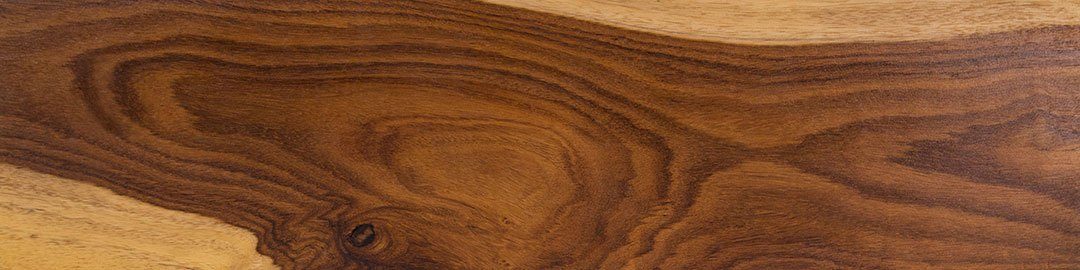
Parota (Guanacaste) wood sample

Parota (Guanacaste)

Characteristics: A lightweight Central American wood with a golden-brown color, dramatic swirling grain, and contrasting pale sapwood. Often cut into large live-edge slabs for tables.

Folklore & tradition: The guanacaste is the national tree of Costa Rica, a huge shade tree with ear-shaped seed pods ("elephant ears") that provides shelter to people and animals. It symbolizes community, shelter and generosity.

Persimmon wood sample

Persimmon

Characteristics: American persimmon, a member of the ebony family: a very hard, tough, light-colored wood with occasional dark heartwood streaks. Its shock resistance made it the favorite wood for golf club heads ("woods") and textile shuttles.

Folklore & tradition: In Ozark and Appalachian folklore, you split a persimmon seed to forecast winter: a spoon shape means heavy snow, a knife means bitter cold, and a fork means a mild winter. Persimmon is associated with prophecy, divination and good fortune.

Plantation Teak wood sample

Plantation Teak

Characteristics: Teak grown on managed plantations: golden to medium brown, naturally oily, and highly resistant to water, rot and insects. Slightly lighter and faster-grown than old-growth Burmese teak.

Folklore & tradition: Teak has been used for centuries for ship decks, temples and outdoor furniture. It is associated with strength, endurance and protection.

Poplar wood sample

Poplar

Characteristics: Yellow (tulip) poplar: an inexpensive, soft-to-medium hardwood with a creamy color and green to purple streaks in the heartwood. Easy to work and paint, it is used for furniture frames and trim.

Folklore & tradition: American "poplar" lumber is actually the tulip tree, a magnolia relative; the poplars of European folklore (linked with Hercules and protection) are a different tree. The tulip tree was used by Native Americans for dugout canoes, which earned it the name "canoewood."

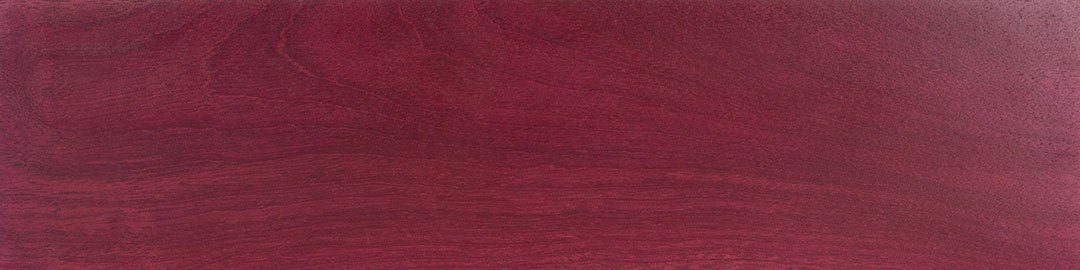
Purpleheart wood sample

Purpleheart

Characteristics: A hard, dense South American wood that turns a vivid purple when exposed to air, then slowly darkens to a deep brown under UV light. Strong, durable, and a favorite accent wood.

Folklore & tradition: Purpleheart has little traditional folklore. Purple has long been the color of royalty and spirituality, so purpleheart is associated with intuition, spirituality and inner wisdom in modern lore.

Red Grandis wood sample

Red Grandis

Characteristics: Plantation-grown, FSC-certified Eucalyptus grandis: a pinkish-red to light brown wood with straight grain and few knots. A sustainable alternative to mahogany.

Folklore & tradition: As a eucalyptus, it shares the tree's associations with healing, purification and renewal.

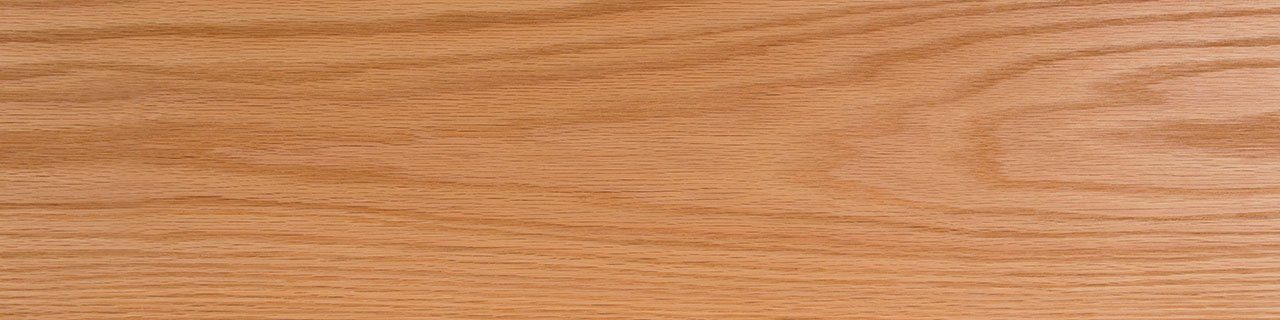
Red Oak wood sample

Red Oak

Characteristics: One of North America's most common hardwoods: light reddish-brown with a bold, open grain and prominent rays. Strong and hard, used for floors, furniture and cabinets.

Folklore & tradition: The oak is the king of trees in European folklore. It was sacred to Zeus, Jupiter, Thor and the Druids (whose name may mean "oak-knowers"). Oak is Duir in the Ogham alphabet, a "doorway," and is linked to strength, protection, endurance, courage and wisdom.

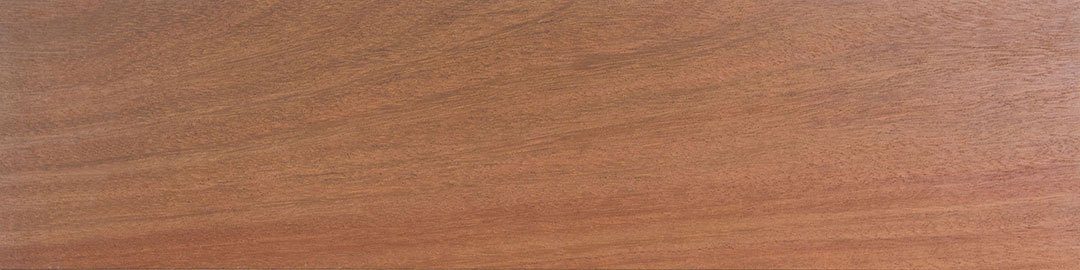
Santos Mahogany wood sample

Santos Mahogany

Characteristics: Not a true mahogany: a very hard, heavy South American wood with a reddish-brown color, golden luster and interlocked grain. Very durable flooring.

Folklore & tradition: Santos mahogany (Myroxylon balsamum) is the source of Balsam of Tolu and Balsam of Peru, fragrant resins used for centuries in perfumes, incense and cough remedies. It is associated with healing and purification.

Sapele wood sample

Sapele

Characteristics: An African relative of mahogany with a reddish-brown color and a striking ribbon-stripe figure that shimmers as the light moves. Medium-hard and widely used in furniture and guitars.

Folklore & tradition: Sapele has little traditional folklore. Its shimmering ribbon figure is associated with movement, flow and adaptability.

Soft Maple wood sample

Soft Maple

Characteristics: Red and silver maple: a medium-hard, creamy to light brown wood with a fine grain, sometimes with a curly or flame figure. Softer and easier to work than hard maple.

Folklore & tradition: Maple is traditionally associated with balance, love, longevity and abundance. Its leaves have long been a symbol of change and the turning of seasons.

South American Mahogany wood sample

South American Mahogany

Characteristics: Genuine (big-leaf) mahogany: a reddish-brown wood with a straight to interlocked grain, a fine shimmering luster, and outstanding stability and workability. The classic wood of fine furniture and boats. Now protected and carefully regulated.

Folklore & tradition: Mahogany has been a symbol of wealth, elegance and craftsmanship since the 1700s. In modern lore it is associated with grounding, stability, protection and strength.
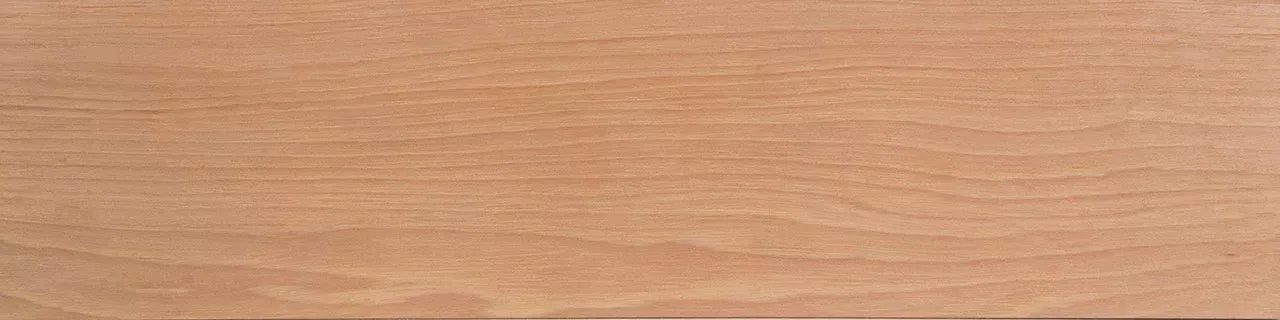
Spanish Cedar wood sample

Spanish Cedar

Characteristics: Not a true cedar but a mahogany relative: a light, pinkish to reddish-brown wood with a fine grain and a distinctive spicy scent. The classic wood for cigar boxes and humidors.

Folklore & tradition: Its fragrance and natural insect resistance give it the cleansing and protective associations of the cedars it is named after.

Sucupira wood sample

Sucupira

Characteristics: A hard, heavy Brazilian wood with a chocolate to reddish-brown color, interlocked grain and lighter streaks. Very durable, used for flooring and heavy construction.

Folklore & tradition: "Sucupira" is a name shared by several Brazilian trees, and the seeds of one are a traditional Brazilian folk remedy for aches and sore throats. The wood is associated with healing and endurance.

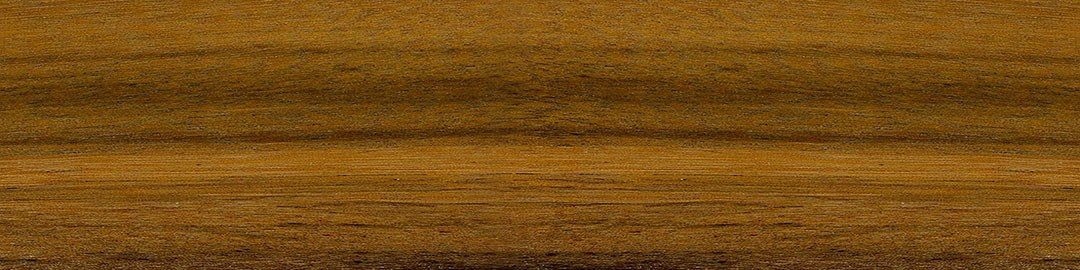
Tatajuba wood sample

Tatajuba

Characteristics: A hard, dense South American wood with a golden-yellow to olive color that darkens to a rich russet brown over time. It has a fine to medium texture and a natural luster.

Folklore & tradition: Tatajuba has little traditional folklore. Its slow change from gold to deep brown is associated with growth, maturity and transformation.

Tulipwood wood sample

Tulipwood

Characteristics: A rare Brazilian rosewood with a creamy background and vivid pink, salmon and red stripes. Very dense and fine, mostly used for inlay and small precious items.

Folklore & tradition: Tulipwood was a favorite of 18th-century French cabinetmakers for royal furniture and marquetry. Its pink, flower-like color is associated with love, gentleness and beauty.

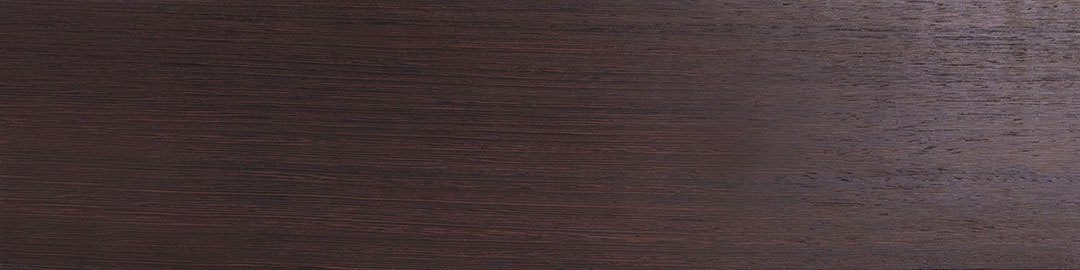
Wenge wood sample

Wenge

Characteristics: A heavy, hard Central African wood with a very dark brown to nearly black color and fine, light tan streaks, giving a dramatic striped look. Coarse texture that can splinter, so it rewards careful finishing.

Folklore & tradition: Wenge has little traditional folklore. Its deep, dark color and strength give it modern associations with grounding, stability, protection and quiet strength.
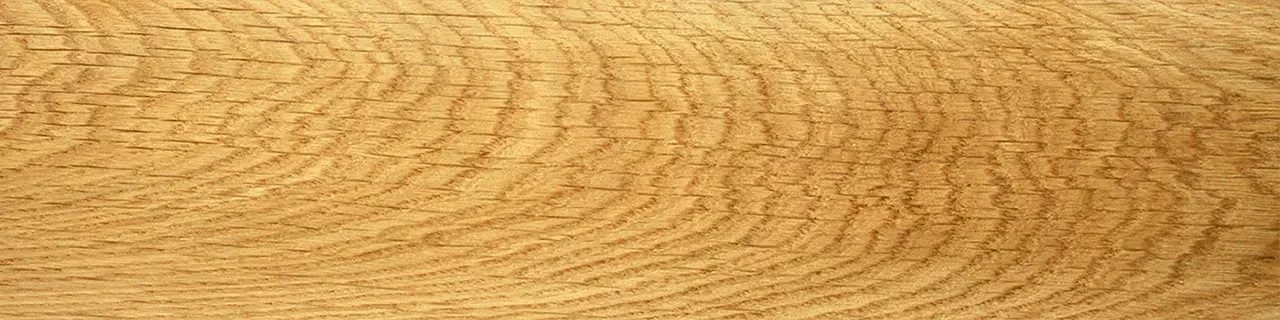
White Oak wood sample

White Oak

Characteristics: A hard, heavy, light to medium brown oak with a straight grain and beautiful ray "flake." Its closed pores make it watertight, so it is the traditional wood for whiskey and wine barrels as well as boats and fine furniture.
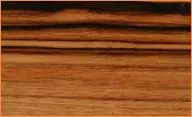
Folklore & tradition: White oak carries all the oak lore: the sacred tree of Zeus, Thor and the Druids, Duir ("doorway") in the Ogham alphabet, and a symbol of strength, protection, endurance, courage and wisdom.

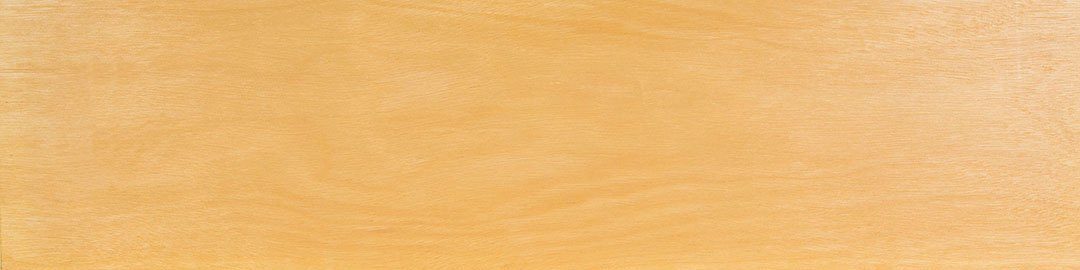
Yellowheart wood sample

Yellowheart

Characteristics: A Brazilian hardwood with a bright, lemon-yellow color and fine, even texture, slowly mellowing to a golden tone. Medium-hard and a popular contrast wood.

Folklore & tradition: Yellowheart has little traditional folklore. Its sunny color is associated with joy, confidence, mental clarity and creativity.

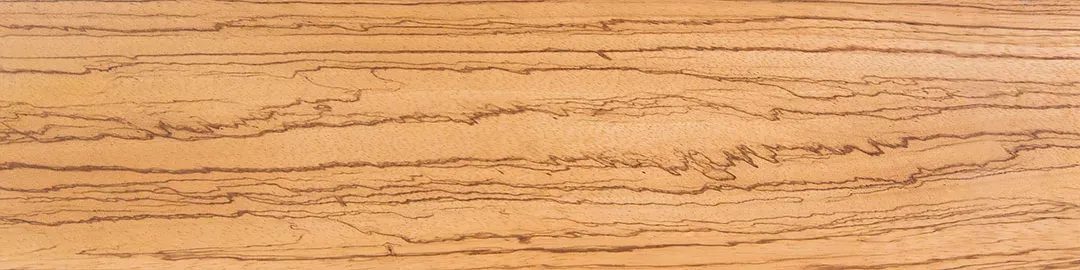
Zebrawood wood sample

Zebrawood

Characteristics: A West African hardwood with a light tan background and bold dark brown stripes, like a zebra's. Hard and heavy with interlocked grain. A dramatic showpiece wood.

Folklore & tradition: Zebrawood has little traditional folklore. Its bold stripes give it modern associations with individuality, balance and standing out from the crowd.

Ziricote wood sample

Ziricote

Characteristics: A Central American wood with a dark brown to near-black color and a unique "spider web" or landscape-like figure. Very dense and fine, it finishes beautifully. Each piece looks like a painting.

Folklore & tradition: Ziricote is a Cordia, related to bocote, and bears an edible fruit. Its web-like figure has given it modern associations with connection, fate and the weaving of life's paths.